

Object Language
Notes on new work underway

Since roughly September of last year, I’ve been working on new music that is oh-so-close to crossing the finish line. It’s an album I’ve decided to call “Object Language.” There’s no release date, no label, no plans yet…but I quite like where it’s headed, and felt like sharing about it.
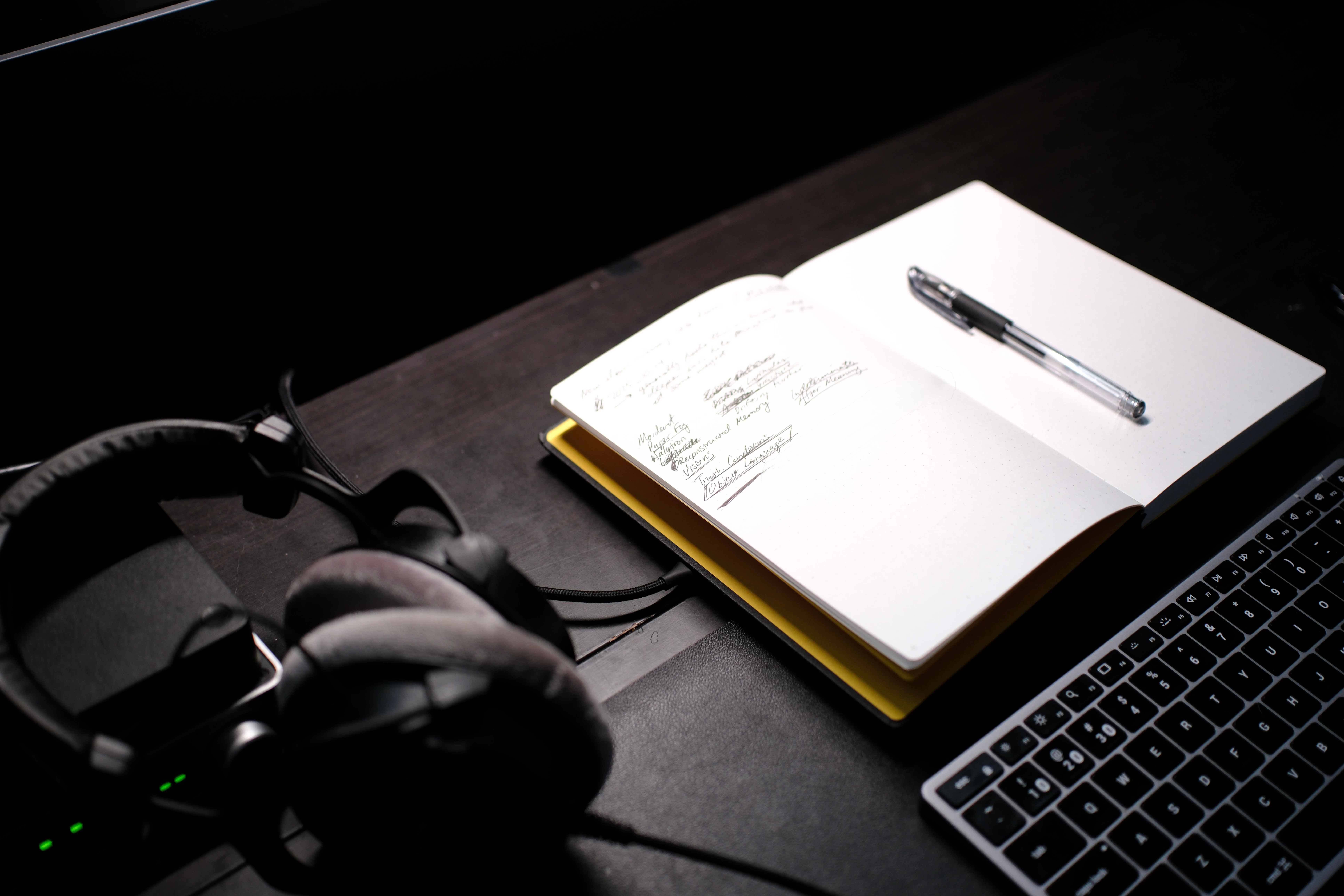


I’m in that stage of the creative cycle where I’m cross-checking mixes on various sound systems: cars, AirPods, phone speakers, studio monitors, etc. All these songs are still titled with a “[date]_[version]_[process change]” formula, and I’m desperately trying to convince myself that it’s actually an OK body of work while making meaningless mixing tweaks that nobody will appreciate. I’m almost there.
In spite of the psychological hurdles involved with it, I can honestly say that this is a particularly fun stage of music-making for me. I can start to see latent themes and ideas that have sat with me throughout the songwriting phase begin to surface and coalesce into something tangible. In a way, I’m learning a little more about myself by listening back to these pieces. I think other musicians will understand what I mean by this.
Here are some takeaways that I wanted to put down in writing. For those who have taken out a paid subscription, I have some excerpts of this work posted at the bottom of the article.
I’ve always approached my music in a fairly quiet, inward way. Most of my work to date has been diaristic and impressionistic, and I tend to be cautious about making any grand artistic statements through this kind of (fluid? formless? free-flowing?) music. I’m usually more interested in letting a process unfold and seeing what reveals itself than in deciding ahead of time what a piece is supposed to say.
With that said, Object Language came together during a period when it felt increasingly difficult not to respond to the world outside the studio.
Lately, the social and political atmosphere has felt unsettled in a way that’s difficult to ignore. It isn’t just that disagreement feels more visible or more intense, but that the sense of a shared reality itself seems increasingly fragile. People can encounter the same event and arrive at entirely different conclusions about what happened, why it matters, and even what can be considered true. Communication is constant and effortless, yet clarity and consensus feel harder to hold onto than ever.
The killings of Renée Good and Alex Pretti in Minneapolis this year brought this sense of fractured reality into stark relief for me. In both cases, federal officials offered immediate, highly charged characterizations of the incidents, even before any transparent investigative process had taken place. That alone was remarkable, but what was more striking was how quickly conflicting narratives then formed around the same footage, pushing people into very different interpretations of what was happening and why. Even with clear, high-resolution video circulating widely, there was little consensus about what could be taken at face value. In that way, the episode felt emblematic of a broader condition, where shared reference points seem to erode and everyone ends up working from entirely different frameworks for understanding what they are seeing.
This feeling of disorientation isn’t limited to Minneapolis. Since 2016 we’ve seen the “muzzle velocity” strategy of politics wielded with astonishing effectiveness to chip away at shared norms and stabilizing systems. Events unfold faster than we can process them and meanings are continually reframed. Institutional trust has eroded, misinformation flows instantly around the world, and even seemingly direct evidence and expertise can be subject to endless reinterpretation, questioning, and debate. It can be emotionally and mentally exhausting to live in such a nebulous, low-trust environment, and I’ve found some of that fatigue seeping into how I work.
Transforming and reshaping sound in the studio sometimes feels like a way to assert some measure of control in a context where so much else feels uncertain and unresolved.
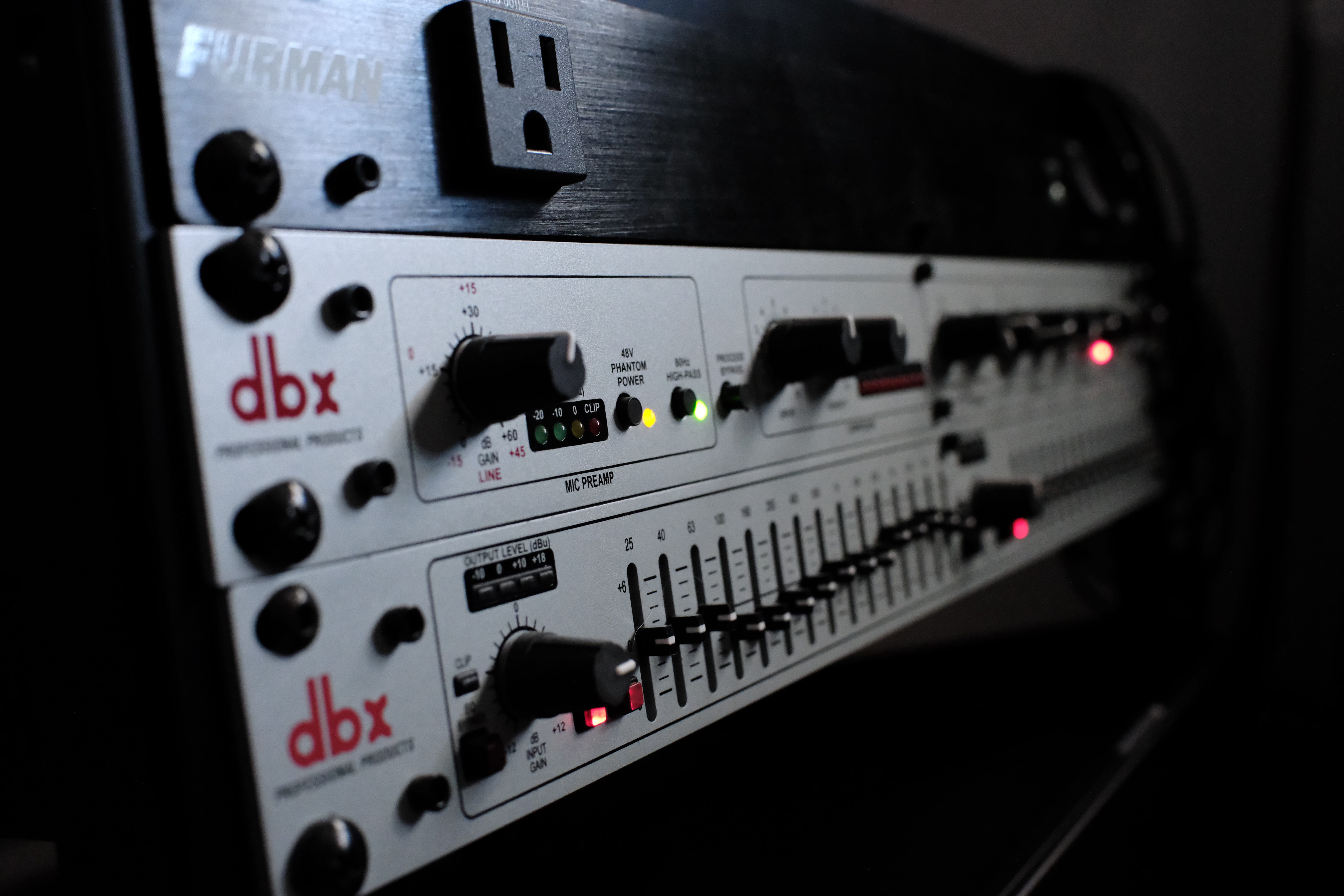
I’ve always worked with samples and effects processing, and substantial audio transformation has been a big part of my practice for a long time. Even so, while working on Object Language, I noticed a stronger resistance than usual to leaving sounds untouched. It felt uncomfortable to let anything remain neutral or unaltered…I was simply not content to let any sound I made exist in its original form. Initially, I didn’t fully understand where that impulse came from, but in hindsight, I think it was actually tied to a broader sense of instability outside the music.
For this album, every sound began as something else: a field recording, a fragment, a loop that had been abandoned. None of these sounds were inherently purposeful to begin with, and so I felt a certain kind of freedom to play with them and completely destroy them. Nothing was left as-is. Sounds were re-sampled, re-pitched, filtered, recorded to tape and other lo-fi media, and processed repeatedly…many, many times…until their original identities were significantly less clear. Tape saturation, digital artifacts, and sample rate reduction became part of the structure of the music itself.
The album takes its title from ideas in semantics and logic. An “object language” is the language we use to describe the world, and it depends on shared assumptions about meaning, reference, and truth. Lately, those assumptions feel fragile. Context shifts quickly, interpretation varies wildly, and agreement on what is “true” often feels out of reach. I don’t think the album attempts to explain any of this or offer paths forward, but I do think it reflects how it feels to move through that uncertainty.
Rather than making music about these ideas in a literal way, I wanted the work to embody them. The sounds here are intentionally distant and worn, like signals that have passed through too many hands and too many systems to be well understood. They sit somewhere between what was intended and what is actually heard, and they never fully resolve.
I understand why some people are wary of “political music,” and I share some of that hesitation. At the same time, it feels harder than ever to pretend that music exists outside the conditions under which it’s made. I’m letting the music-making process absorb some of the immense pressure of the moment.
These songs are a kind of residue. They are traces of original ideas that have been bent, filtered, and partially erased. Object Language is a slow and patient album that leaves space for ambiguity, and for the discomfort of not fully knowing what something means (or generally, where we are heading). In that way, it feels like an honest reflection of the world I’m trying to describe, even if that description never quite settles.
Maybe you will hear some of the unease and distorted elements in these songs. I haven’t entered into my “harsh noise” era or anything, but I have certainly been embracing more abrasion and degradation than normal. “Clean and pure” ambient just doesn’t feel like the right thing to be doing in this moment. I think there’s a little cynicism and edge in this one.
I’m looking forward to sharing this when the time is right, and hope you appreciate some of the unfinished, work-in-progress samples below.
Keep reading with a 7-day free trial
Subscribe to Sound Methods to keep reading this post and get 7 days of free access to the full post archives.